Join Sewing Lessons Near Me for Creative Projects
Ignite Your Creativity: Exciting Sewing Workshops for All Skill Levels
Expressing creativity through sewing creates a welcoming channel for self-expression. Enjoyable lessons are designed for all skill levels, from first-timers to skilled sewists. Each class explores key tools and techniques, building a nurturing environment. Students can discover diverse projects that spark their imagination. As they develop, they might consider how to deepen their expertise or sustain their enthusiasm. This path inspires them to uncover what exists beyond the essentials.
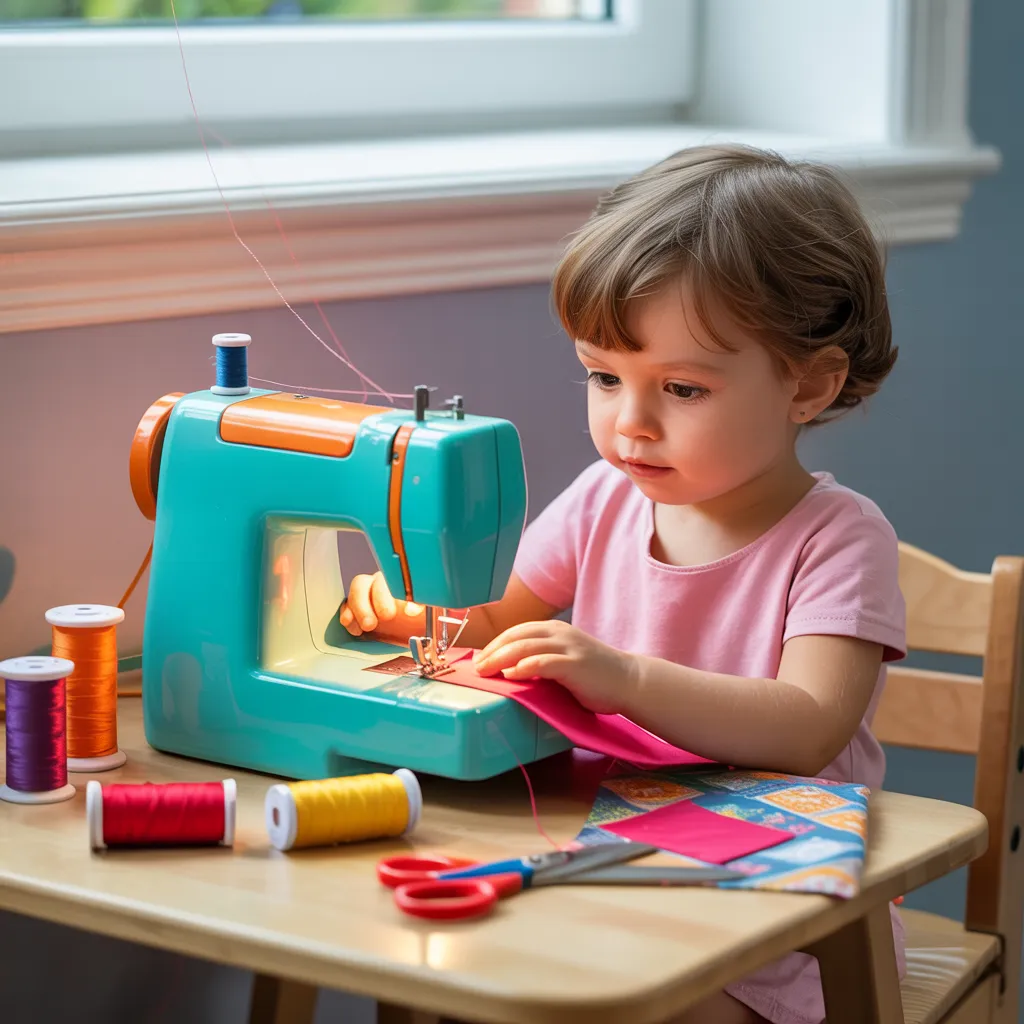
Key Tools That Every Sewist Needs
A properly stocked sewing kit forms the basis of every successful project. The right tools are crucial for maintaining efficiency and quality. The foundation of any kit includes a sturdy pair of fabric scissors, built to make clean cuts while preventing fraying. A rotary cutter also delivers exceptional precision for complex and intricate patterns. Measuring tools, such as a tape measure and a clear ruler, are key for accurate dimensions and seam allowances.
Pins and a pincushion are indispensable for holding fabric in place, while a selection of needles accommodates different types of fabric. Multicolored thread provides versatility and creative expression. A seam ripper, though often overlooked, is crucial for remedying sewing mistakes. Lastly, an iron and ironing board are critical for producing sharp seams and refined results. By collecting these fundamental tools, every sewist can embark on their crafting adventure with assurance.
Core Sewing Techniques for New Learners
Armed with the proper tools, beginners can confidently start on their sewing journey by learning fundamental techniques. Basic abilities including working with a needle, forming knots, and comprehending sewing machine mechanics are indispensable. Learning to sew a straight line is important, as it establishes the groundwork for more intricate endeavors.
Beginners should also get familiar with various stitch varieties, like straight stitches and zigzag stitches, which serve various purposes. Additionally, mastering correct fabric handling methods, like pinning and pressing, improves precision and results.
Comprehending pattern reading and cutting fabric accurately is crucial for achieving successful results. Elementary practices like applying backstitching and proper seam allowances can considerably elevate the quality of finished projects.
Sewing Projects to Spark Your Creativity
Exploring creative potential through sewing endeavors can transform basic skills into artistic expressions. Engaging in various sewing projects allows individuals to explore their imaginations while honing their techniques. Basic projects such as tote bags and pillow covers serve as excellent starting points, allowing crafters to explore different materials and designs.
For individuals looking for a challenge, custom clothing or patchwork quilts can ignite a deeper sense of creativity. Such projects not only deliver a feeling of accomplishment but also encourage personalized details, such as unique color combinations and embellishments.
Moreover, converting old fabrics into innovative creations fosters originality and sustainable practices, making sewing both a creative outlet and an environmentally friendly practice.
Via these wide-ranging projects, people can uncover their personal tastes and refine their unique style, ultimately fostering a greater appreciation for the art of sewing. These pursuits can spark additional discovery and innovation along the sewing path.
Intermediate Sewing Techniques to Elevate Your Craft
Enhancing sewing skills necessitates mastering advanced foundational techniques that refine both practicality and visual appeal. These skills empower sewists to produce garments and projects that embody a greater degree of artistry. An important approach is the application of dart and pleat techniques, which can contour fabric to better conform to the body. Additionally, becoming proficient at properly view resource sew zipper applications can transform basic patterns into polished pieces.
An additional important skill is working with bias binding, which creates neat, polished edges across a range of projects. Sewing enthusiasts may also try a variety of stitch styles, such as zigzag or decorative stitches, to introduce creative embellishments. Learning to create buttonholes with precision not only improves functionality but also elevates the visual appeal of a project. By integrating these advanced foundational methods, those who sew can improve their craft, resulting in greater quality and aesthetically pleasing finished pieces.
Expert Techniques to Perfect in Sewing
Within the realm of sewing, developing advanced techniques is crucial for those seeking to elevate their abilities. Key areas of focus include exact pattern cutting, sophisticated stitching techniques, and innovative fabric manipulation strategies. These components not only improve the quality of the final piece but also broaden a sewist's creative horizons.
Precision Pattern Cutting
Even though many sewers emphasize fabric and stitching above all else, mastering precision pattern cutting is equally essential for achieving professional-quality garments. This technique involves carefully measuring and cutting patterns to guarantee accuracy and consistency, which has a direct impact on the finished fit and look of the garment. Accurate pattern cutting demands not only proper tools, including sharp rotary cutters and rulers, but also a careful attention to detail. Sewers should develop an understanding of seam allowances and fabric grain, as these factors can considerably impact the final outcome. By honing these abilities, sewers can improve their artistry, yielding garments that are both elegantly finished and precisely fitted. In the end, accuracy in pattern cutting establishes the groundwork for successful sewing endeavors.
Expert Stitching Methods
Excelling in expert needlework approaches converts everyday sewing endeavors into remarkable works of artistry. Such methods, including the use of a double needle for aligned seaming, boost the appearance and longevity of sewn creations. Moreover, becoming skilled in approaches including French seams and flat-felled seams improves the final appearance, delivering a polished quality that is highly desirable. Incorporating artistic stitch patterns, like heirloom or zigzag patterns, can introduce creative distinction to any work while fulfilling practical roles. Grasping the complexities surrounding tension adjustments and thread types further refines the sewing experience, empowering sewers to reach their goals with regularity. Through adopting these advanced techniques, needleworkers can widen their expertise, ultimately expanding their creative possibilities and elevating their sewing endeavors.
Fabric Manipulation Strategies
Examining fabric manipulation techniques allows sewers to enhance their creations through innovative techniques that enrich dimension and form. Techniques such as gathering, pleating, and tucking empower crafters to add dimension and complexity to their creations. Furthermore, layering and draping techniques can generate striking silhouettes, while methods like smocking and quilting provide both visual interest and functional durability. Skilled crafters may also experiment with methods like diagonal cutting to modify how the material falls, or apply heat manipulation to create unique finishes. By perfecting these strategies, crafters can considerably improve their fabric creations, allowing for personal expression and artistic flair in each stitch. Adopting these techniques not only expands technical skills but also encourages creativity in the crafting journey.
Finding Inspiration: Strategies for Your Sewing Journey
What strategies can help a sewist stay motivated along their creative path? Creative energy tends to rise and fall, highlighting the importance of fostering a positive creative atmosphere. Connecting with other sewists through workshops or online communities can spark new ideas and provide support. Additionally, setting achievable goals can foster a sense of accomplishment and encourage continued progress.
Discovering diverse patterns and techniques can further keep creative energy flowing, as exploring diverse styles and materials may ignite fresh enthusiasm. Consistently reflecting on past projects can remind sewists of their growth and reinvigorate their creative drive.
Additionally, maintaining a set-aside workspace can offer a focused zone for creativity, unaffected by disturbances. Lastly, stepping back when necessary is important; taking time away can lead to revitalized viewpoints. By incorporating these approaches, sewists can sustain their enthusiasm and relish a fulfilling and vibrant sewing experience.
Commonly Asked Questions
How Do I Resolve Common Sewing Machine Problems?
To address typical sewing machine issues, it is important to inspect the threading, clean the bobbin area, replace dull needles, adjust tension settings, and ensure proper fabric feeding. Consistent care can help avoid many problems developing.
What Kinds of Fabric Work Best for Beginners?
Flannel, cotton, and muslin are perfect materials for novice sewers. These materials are easy to handle, forgiving of mistakes, and widely available. Their versatility allows new sewers to practice various techniques without overwhelming challenges.
How Can I Select the Best Sewing Patterns?
Picking the ideal sewing patterns entails assessing skill level, project complexity, and personal style. Novices should begin with simple designs with clear instructions, while skilled sewers can venture into more intricate patterns that test their skills and imagination.
Can You Sew Without Using a Sewing Machine?
Absolutely, one can sew without a sewing machine. Hand sewing provides flexibility and precision, enabling detailed and intricate work. Essential tools, including thread and needles, support numerous types of projects, ensuring accessibility for sewers of all skill levels.
What Are Some Green Sewing Practices?
Environmentally conscious sewing techniques include using organic fabrics, reusing existing fabrics, reducing waste with precise cutting techniques, opting for natural dyes, and selecting environmentally friendly thread. These methods support environmental stewardship while cultivating imaginative problem-solving in sewing projects.